The Perfect Comp Card: Photo Tips for Child Models
2026-02-20 · 6 min · Oliver
Oliver
Author
Learn how to create the perfect comp card for child models. Essential photo tips, requirements, and professional guidance for babies and kids.
Introduction
Creating the perfect comp card is one of the most crucial steps in establishing your child's modeling portfolio. Unlike adult modeling, child comp cards require specific photo types and considerations that showcase natural personality, age-appropriate styling, and genuine expressions. This comprehensive guide focuses exclusively on the photo requirements and creation process for comp cards, providing parents with expert insights on what agencies look for and how to achieve professional results without expensive studio sessions.
Based on industry standards and real parent experiences from modeling forums and Q&A platforms, this guide will help you create a compelling comp card that opens doors to modeling opportunities while keeping your child's safety and authenticity at the forefront.
Understanding the Comp Card Basics
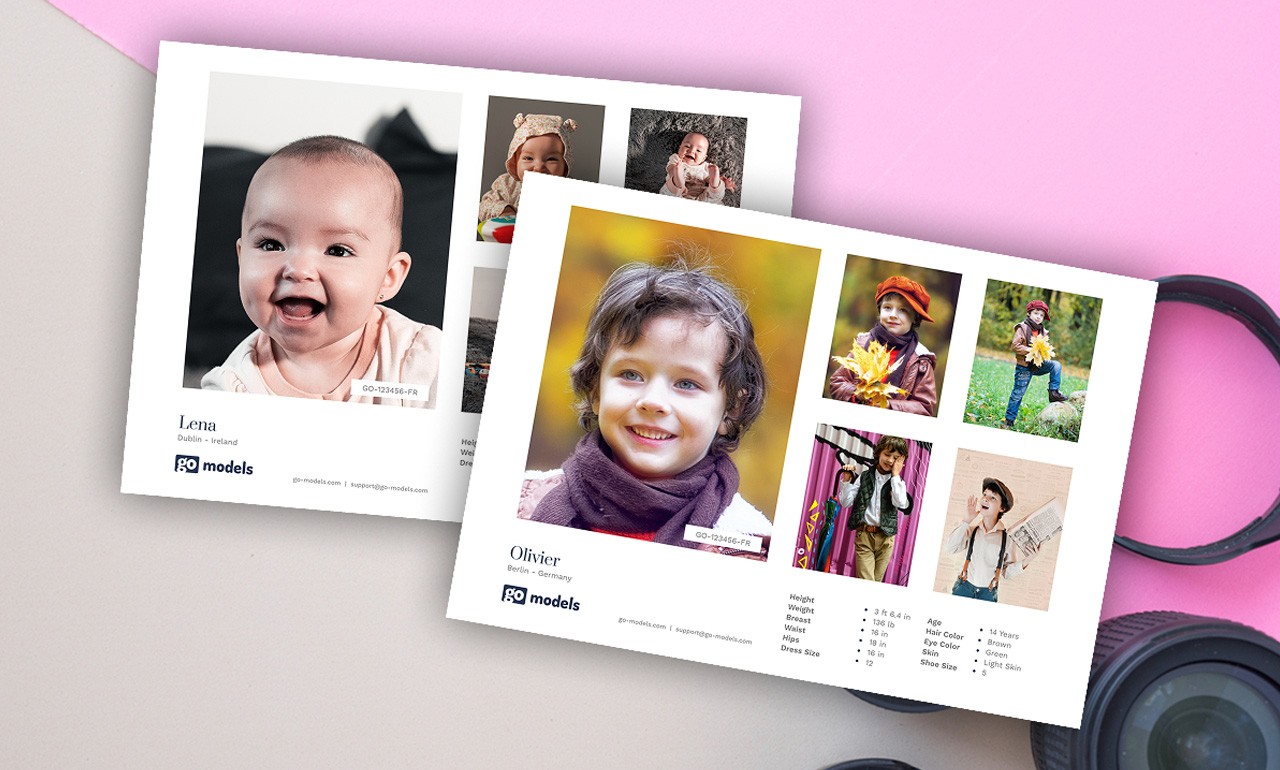
A comp card (composite card) serves as your child's professional business card in the modeling industry. According to industry experts, it's a single-page marketing tool containing essential photos and basic information that agencies and clients use to quickly assess a model's potential.
Essential Comp Card Components:
- Photos:Age-specific shots showcasing your child's range and personality
- Basic Information:Model's name, hometown, measurements, eye color, hair color, skin tone
- Contact Details:Through agency or platform representation
Modern Digital Advantage:
On platforms like go-models.com, you can create a professional comp card digitally, and the go-models team provides expert assistance with photo selection and arrangement, ensuring your child's comp card meets industry standards.
Baby Comp Card Requirements (Ages 0-2)
For babies and toddlers, comp cards follow a specific 5-photo structure designed to capture their natural charm and development stage:
1. Portrait Shot - Baby's Face
- Focus:Clear, natural close-up of baby's face
- Lighting:Soft, natural light (near a window during daytime)
- Expression:Relaxed, natural expression (awake and alert if possible)
- Background:Plain, neutral background (white or cream walls work well)
- Styling:No hats, headbands, or accessories that obscure facial features
2. Half-Body Shot - Face and Upper Body
- Composition:Shows baby's face and upper torso
- Clothing:Simple, solid-colored onesie or basic outfit
- Positioning:Baby sitting supported or lying comfortably
- Details:Captures natural proportions and body language
3. Full-Body Shot - Frontal Full Body
- View:Complete head-to-toe frontal view
- Pose:Natural positioning (lying down, sitting, or standing with support)
- Clothing:Simple, well-fitted outfit that shows body proportions
- Setting:Clean, uncluttered space with neutral background
4. Favorite Shot - User Choice Photo 1
- Purpose:Showcase baby's unique personality or charm
- Options:Sleeping peacefully, playing with a simple toy, or showing natural expressions
- Authenticity:Capture genuine moments that reflect the baby's character
5. Favorite Shot - User Choice Photo 2
- Flexibility:Second opportunity to highlight special qualities
- Variety:Different angle, expression, or activity from Favorite Shot 1
- Appeal:Choose photos that make viewers smile or connect emotionally
Child Comp Card Requirements (Ages 2-15)
For children and pre-teens, comp cards require a more diverse 5-photo portfolio that demonstrates versatility and personality:
1. Portrait Shot - Child's Face
- Technical Quality:Sharp focus on eyes, natural lighting
- Makeup:Absolutely none - natural beauty is essential
- Hair:Clean, neat styling that reflects child's normal appearance
- Expression:Genuine smile and serious/neutral expression options
- Background:Clean, distraction-free backdrop
2. Half-Body Shot - Face and Upper Body
- Framing:Chest up, showing natural posture and shoulder line
- Clothing:Simple, age-appropriate top in solid colors
- Hands:Relaxed positioning, visible in frame
- Eye Contact:Direct connection with camera
3. Full-Body Shot - Frontal Full Body
- Stance:Natural, confident posture with arms relaxed
- Outfit:Well-fitted jeans or casual pants with simple top
- Footwear:Barefoot or simple shoes (avoid trendy sneakers)
- Proportions:Clear view of child's natural height and build
4. Action Shot - Dynamic and Energetic
- Activities:Laughing, jumping, playing on playground equipment
- Movement:Captures child's energy and natural movement
- Authenticity:Genuine joy and activity, not posed action
- Safety:Always prioritize child's safety during active shots
5. Commercial Shot - Child with Product
- Setup:Child interacting naturally with an everyday product
- Brand Concealment:Hide or obscure brand logos and product names
- Interaction:Natural, believable engagement with the item
- Examples:Reading a book, eating an apple, playing with a generic toy
~ Industry insight from KidsCasting forums
Professional Photography Tips for Parents
Lighting Mastery
- Golden Hour:Shoot during early morning or late afternoon for warm, flattering light
- Window Light:Position child near a large window for soft, even illumination
- Avoid Flash:Natural light always produces better results for children
- Overcast Days:Provide perfect diffused lighting for outdoor shots
Camera Settings and Equipment
- Phone Cameras:Modern smartphones can produce comp card quality photos
- Focus:Ensure eyes are always sharp and in focus
- Background Blur:Use portrait mode to separate child from background
- Multiple Shots:Take many photos to capture perfect expressions
Working with Your Child
- Timing:Schedule shoots when child is well-rested and fed
- Patience:Allow breaks and keep sessions short (15-30 minutes max)
- Natural Direction:Give simple, age-appropriate directions
- Fun Factor:Make it enjoyable - play music, tell jokes, use favorite toys
Technical Quality Standards
According to professional child photographers, comp card photos should meet these minimum standards:
- Resolution:High enough for print quality (300 DPI minimum)
- Editing:Minimal retouching - adjust brightness/contrast only
- File Naming:Clear labels with child's name and photo type
- Format:JPEG format for digital submission, high quality settings
Common Mistakes to Avoid
Photo Quality Issues
- Over-editing:Avoid filters, heavy retouching, or artificial enhancement
- Poor lighting:Dark, shadowy photos or harsh artificial lighting
- Distracting backgrounds:Busy patterns, clutter, or competing elements
- Blurry images:Always check focus before considering a photo complete
Styling and Presentation Errors
- Inappropriate clothing:Overly mature, branded, or costume-like outfits
- Excessive accessories:Jewelry, headbands, or props that distract from the child
- Makeup or styling:Any artificial enhancement for children under 16
- Outdated photos:Using photos more than 6-12 months old
Practical Mistakes
- Inconsistent quality:Mixing professional shots with casual snapshots
- Wrong proportions:Cropping that cuts off important features or body parts
- Missing variety:All photos too similar in pose or expression
- Technical issues:Low resolution, poor color balance, or compression artifacts
Digital Comp Card Creation with Go-Models
The go-models.com platform streamlines the comp card creation process for parents:
Professional Support:
- Expert photo selection guidance from the go-models team
- Template designs optimized for industry standards
- Digital format eliminates printing and distribution costs
- Easy updates as your child grows and changes
Platform Benefits:
- Direct submission to casting opportunities
- Professional presentation without agency fees
- Access to educational resources and industry insights
- Community support from other modeling families
Quality Assurance:
The go-models team reviews and provides feedback on photo selections, ensuring your child's comp card meets professional standards and maximizes casting opportunities.
Updating and Maintaining Your Comp Card
Regular Update Schedule
- Every 6 months:For rapidly growing children (ages 2-8)
- Every 12 months:For slower-changing features (ages 9-15)
- After major changes:New haircut, lost teeth, growth spurts
- Seasonal updates:Capture different looks throughout the year
Signs It's Time for New Photos
- Photos no longer accurately represent your child's current appearance
- Child has developed new skills or expressions
- Previous photos appear dated or less professional
- Casting feedback suggests updated images would help
Maintaining Photo Quality
- Store digital files in high resolution for future use
- Keep backup copies in multiple locations
- Organize by date and photo type for easy access
- Document which photos performed best in casting situations
Conclusion
Creating the perfect comp card for your child model requires understanding industry-specific requirements, mastering basic photography techniques, and maintaining authentic representation of your child's unique qualities. By following the age-appropriate photo guidelines for babies (0-2) and children (2-15), focusing on natural lighting and genuine expressions, and avoiding common pitfalls, you can produce a professional comp card that effectively showcases your child's modeling potential.
Remember that platforms like go-models.com offer expert support throughout the comp card creation process, ensuring your child's portfolio meets industry standards while maintaining the authenticity that casting directors value most. Regular updates, attention to technical quality, and emphasis on your child's natural personality will create a comp card that opens doors to exciting modeling opportunities.
The Ultimate Guide to Child Modeling: How to Start, Succeed, and Stay SafeReady to discover more essential aspects of child modeling?Return to our comprehensive guide: for complete information about starting a career, understanding risks, and achieving long-term success in the industry.