The Ultimate Guide to Child Modeling: How to Start, Succeed, and Stay Safe
2026-02-20 · 8 min · Anna

Anna
Author
Discover how to launch a child modeling career, build a portfolio, avoid risks, and thrive in the industry. Essential tips for parents and young models.
Introduction
child modeling.Child modeling is a dynamic industry offering opportunities for children to appear in advertisements, catalogs, TV, and fashion shows. While it can be rewarding, it also requires careful consideration, preparation, and vigilance from both parents and children. This guide provides a comprehensive overview of how to get started, what’s required, potential risks, and how to thrive safely and successfully in
What is Child Modeling?
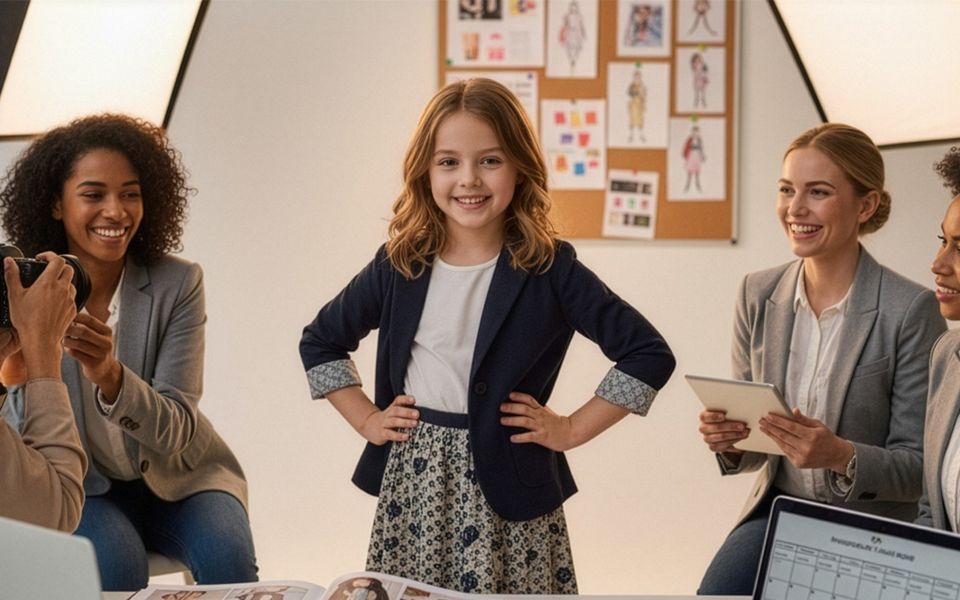
Child modeling involves children (typically ages 2–15) being hired to promote products, services, or brands through photography, commercials, runway shows, and digital campaigns. Opportunities include:
- Commercial print(magazines, catalogs)
- TV and online ads
- Fashion/editorial shoots
- Runway shows
- Social media collaborations
Children are selected for their unique looks, personalities, and ability to follow directions. The industry values diversity and authenticity, with demand for relatable, natural appearances.
How to Start a Career in Child Modeling
- Assess Your Child’s ReadinessIs your child outgoing, comfortable with strangers, and enjoys being photographed?
- Can they follow directions and handle new environments?
CLICK HEREWant to learn more about how to start your child's modeling career?

What Kind of Photos Do You Need?
When submitting your child to modeling agencies, the right photos are crucial. Agencies want to see your child’s natural look, personality, and versatility. Here’s what top agencies and industry experts recommend:
1. Simple, Natural Headshots
- Use natural lighting (outdoors or near a window is best).
- Plain, uncluttered background (white or neutral works well).
- No makeup, hats, or heavy styling—let your child’s features shine.
- Hair should be neat but natural (down or simple ponytail).
- Capture a relaxed, genuine expression (smile and neutral face).
2. Full-Body Shots
- Take a clear, full-length photo with your child standing straight, arms relaxed at their sides.
- Use simple, fitted clothing (jeans and a plain t-shirt are ideal).
- Barefoot or simple shoes—no costumes or props.
3. Variety of Angles and Expressions
- Include a few extra shots: profile (side view), three-quarters, and candid/lifestyle images (playing, laughing, etc.).
- Show your child’s personality and range.
4. No Professional Studio Needed
- Agencies prefer recent, unedited snapshots over professional, retouched images.
- Avoid filters, heavy editing, or glamour-style photos.
5. Keep It Current
- Photos should reflect your child’s current look (update every 6–12 months or after major changes like a haircut).
6. Submission Tips
- Follow each agency’s specific guidelines (number of photos, file size, etc.).
- Label files with your child’s name and age.
CLICK HEREWant to learn more about Perfect Comp Card for your child?
Requirements, Skills & Legal Aspects
Basic Requirements
- No specific height, weight, or look is required—diversity is valued.
- Children should be healthy, energetic, and able to take direction.
Skills
- Confidence and comfort in front of the camera
- Ability to follow instructions
- Patience and adaptability
- Good communication (for older children)
Legal Aspects
- Work Permits:Many regions require child work permits for modeling jobs.
- U.S. Department of LaborLabor Laws:Strict limits on hours and conditions ()
- Contracts:Always review contracts carefully; seek legal advice if unsure.
- Earnings:Payments vary widely; reputable agencies take a commission, not upfront fees.
CLICK HEREWant to learn more about Requirements, Skills & Legal Aspects?
Risks and What to Watch Out For
Child modeling can be rewarding but comes with risks. Parents must stay vigilant:
- Scams:Avoid agencies that ask for expensive classes.
- Safety:Always accompany your child to shoots and auditions. Never leave them unattended.
- Exploitation:Be wary of requests for inappropriate photos or situations.
- Privacy:Protect your child’s personal information and images online.
- Emotional Impact:Rejection is common; support your child’s self-esteem and well-being.
- Work-Life Balance:Ensure modeling does not interfere with education or personal development.
CLICK HEREWant to learn more about Risks and What to Watch Out For?
The Parent’s Role as Manager and Guardian
- Healthy Boundaries:Encourage your child’s interests without imposing pressure or unrealistic expectations.
- Professional Support:Consider when to involve professional managers or agents, and always maintain oversight of contracts and commitments.
- Communication:Discuss both successes and setbacks openly, and prioritize your child’s enjoyment and development over career ambitions.
- Best Practices:Learn from other parents and industry experts through forums and support groups
CLICK HEREWant to learn more about The Parent’s Role as Manager and Guardian?
How to Become Successful in Child Modeling
- Choose the Right Agency or Portal:On go-models we offering direct access to jobs, no commission fees, and a supportive community.
- Build a Strong Portfolio & Comp Card:Update photos regularly to reflect your child’s current look. Use your online comp card as a professional showcase.
- Seek Professional Feedback:Take advantage of expert support and feedback features (as offered by go-models.com) to improve your child’s profile and presentation.
- Practice and Prepare:Help your child practice posing and following directions.
- Stay Professional:Be punctual, polite, and responsive to agency or client requests.
- Prioritize Well-being:Keep modeling fun and pressure-free for your child.
- Network:Attend workshops, meet other parents, and learn from industry professionals. Use online communities to build connections.
- Stay Informed:Follow trends and best practices in child modeling. Use educational resources like go-Academy for ongoing learning.
CLICK HEREWant to learn more about How to Become Successful in Child Modeling?
International Modeling Contests and Their Role in a Child’s Career
Participation in international modeling contests, such as the World Model Kid Contest, is a frequent topic among parents seeking to expand their child’s opportunities. These contests can offer valuable exposure, networking, and experience, but require careful consideration:
- Choosing Reputable Contests:Look for clear rules, transparent judging, and strong data protection policies. Avoid contests with high entry fees or unclear terms.
- Cultural Differences:Expectations and standards can vary widely between countries. Research the contest’s reputation and previous participants’ experiences.
- Career Impact:Success in reputable contests can open doors to international agencies and campaigns, but should be balanced with the child’s well-being and education.
Child Influencers and Kidfluencers: Opportunities, Risks, and New Regulations
With the rise of social media, more children are becoming influencers ("kidfluencers") on platforms like Instagram, TikTok, and YouTube. This trend brings unique opportunities for creative expression and income, but also introduces new legal, ethical, and psychological challenges. Unlike traditional modeling, kidfluencing often blurs the line between play and work, and exposes children to a global audience.
- Kidfluencers may face different regulations than traditional child models.Recent laws in states like Illinois and California require a portion of a child’s online earnings to be placed in trust accounts (Coogan Accounts), but federal protections remain inconsistent.
- Parents and brands must prioritize privacy,limit the sharing of personal information, and ensure that content creation remains fun and pressure-free for the child.
- Brands are encouraged to respect family boundaries,avoid rigid content demands, and allow flexibility for school and social life.
The Impact of Modeling on Child Mental Health and Identity
Recent documentaries and research highlight the psychological impact of modeling and online presence on children. While modeling can boost confidence and social skills, it can also create risks:
- Identity Disruption:Children who perform for audiences may struggle to develop an authentic sense of self, especially if their online persona differs from their real identity.
- Mental Health Risks:Increased pressure to perform, maintain engagement, and seek approval can lead to anxiety, depression, and chronic stress. Signs include fatigue, insomnia, or withdrawal.
- Support Strategies:Experts recommend regular mental health check-ins, open family communication, and clear boundaries between public and private life.
Ethics, Image, and Privacy Protection in the Digital Age
As children’s images are increasingly shared online, ethical and legal questions become more complex:
- Image Rights:Understand who owns and can use your child’s photos. Always seek clear agreements with agencies and brands.
- Social Media Sharing:Follow best practices such as obtaining your child’s consent, using age-appropriate privacy settings, and disabling comments when necessary.
- Brand and Agency Responsibilities:Reputable organizations should have child protection policies and respect the privacy and dignity of young models.
- Industry Recommendations:Refer to guidelines from professional organizations and advocacy groups for up-to-date best practices.
The Future of Child Modeling: Trends, Technology, and Social Change
The child modeling industry is rapidly evolving in response to technological advances and shifting social values:
- AI and Deepfake Risks:New technologies can be used to manipulate images, raising concerns about consent and authenticity.
- Sustainability and Diversity:There is growing demand for inclusive campaigns that reflect real children of all backgrounds, abilities, and body types.
- Remote and Home Modeling:Online platforms and remote shoots are creating new opportunities for children to participate safely from home.
- Regulatory Outlook:Experts predict more comprehensive laws and industry standards to protect young models and influencers in the coming years.
Financial & Legal
Earnings
- Typical Annual Earnings:$25,000 to $45,000
- Pay Per Assignment:$100–$1,000+
- go-models.comNo Agency Commission:Some modern portals, such as , do not charge a commission on your child’s earnings—this means more of the payment goes directly to you.
Contracts
- Always Review:Carefully review contracts, seek legal advice if unsure.
- Work Permits:Many regions require child work permits for modeling jobs.
- U.S. Department of LaborLabor Laws:Strict limits on hours and conditions ()
Professional Support & Education
- Feedback & Support:Platforms like go-models.com offer expert support and feedback to help you navigate the industry.
- go-AcademyLearning Resources:Use online academies (e.g., ) for up-to-date information on contracts, image rights, and best practices.
FAQs
- What age can a child start modeling?Children can start as young as a few months old. Opportunities exist for all ages up to teens.
- How much do child models earn?Earnings vary widely. Typical annual earnings range from $25,000 to $45,000, but many jobs pay per assignment ($100–$1,000+).
- How do I know if an agency is legitimate?Legitimate agencies do not charge upfront fees, have a physical office, and positive reviews. Check for industry accreditation (e.g., SAG-AFTRA).
- What are the main risks in child modeling?Scams, safety concerns, emotional stress, and privacy issues. Always supervise and research thoroughly.
- What should my child wear to auditions?Simple, comfortable, and age-appropriate clothing. Avoid busy patterns or heavy makeup.
- How do I protect my child’s privacy?Limit sharing personal information and images online. Use agency intermediaries for communication.
- How do I balance modeling with school?Prioritize education. Limit modeling commitments and ensure compliance with labor laws.
Conclusion
Child modeling can be a positive, confidence-building experience when approached with care, preparation, and vigilance. Focus on your child’s well-being, choose reputable agencies, and stay informed about industry standards and safety. Remember, success is about enjoyment and growth, not just bookings.
Begin your child’s modeling journey with go-modelsReady to take the first step?by creating a compelling portfolio and comp card, and explore a wide range of opportunities—all while ensuring your child’s safety and well-being remain the top priority.